


Every load of laundry could be adding invisible plastic to the sea. While fast fashion offers cheap clothing at breakneck speed, it is also one of the largest hidden drivers of microplastic pollution in the world’s oceans.
Each spin cycle of a washing machine, each sweater pulled from a bargain rack, connects quietly but powerfully to marine ecosystems — and eventually to the food on our plates.
What Are Microplastics?
Microplastics are fragments of plastic smaller than 5 millimeters. They come in many forms, from glitter-sized microbeads once common in cosmetics to the broken-down shreds of bottles and bags. But one of the most insidious sources is something far less visible: synthetic textile fibers released from our clothes.
Scientists distinguish between two main types:
- Primary microplastics are intentionally manufactured at that size — such as microbeads in cosmetics, resin pellets, or polyester fibers that shed directly from clothing.
- Secondary microplastics are fragments of larger plastics, eroded over time by sunlight, waves, and weathering.
Once released, these particles are effectively permanent. They are too small to filter out and accumulate relentlessly in ecosystems. According to the International Union for Conservation of Nature, 35% of all microplastics in the ocean originate from synthetic textiles.
JUST THE FACTS
- 35% of ocean microplastics come from clothing fibers.
- 60% of fast fashion garments are made of synthetics.
- 700,000 fibers can be released in a single wash.
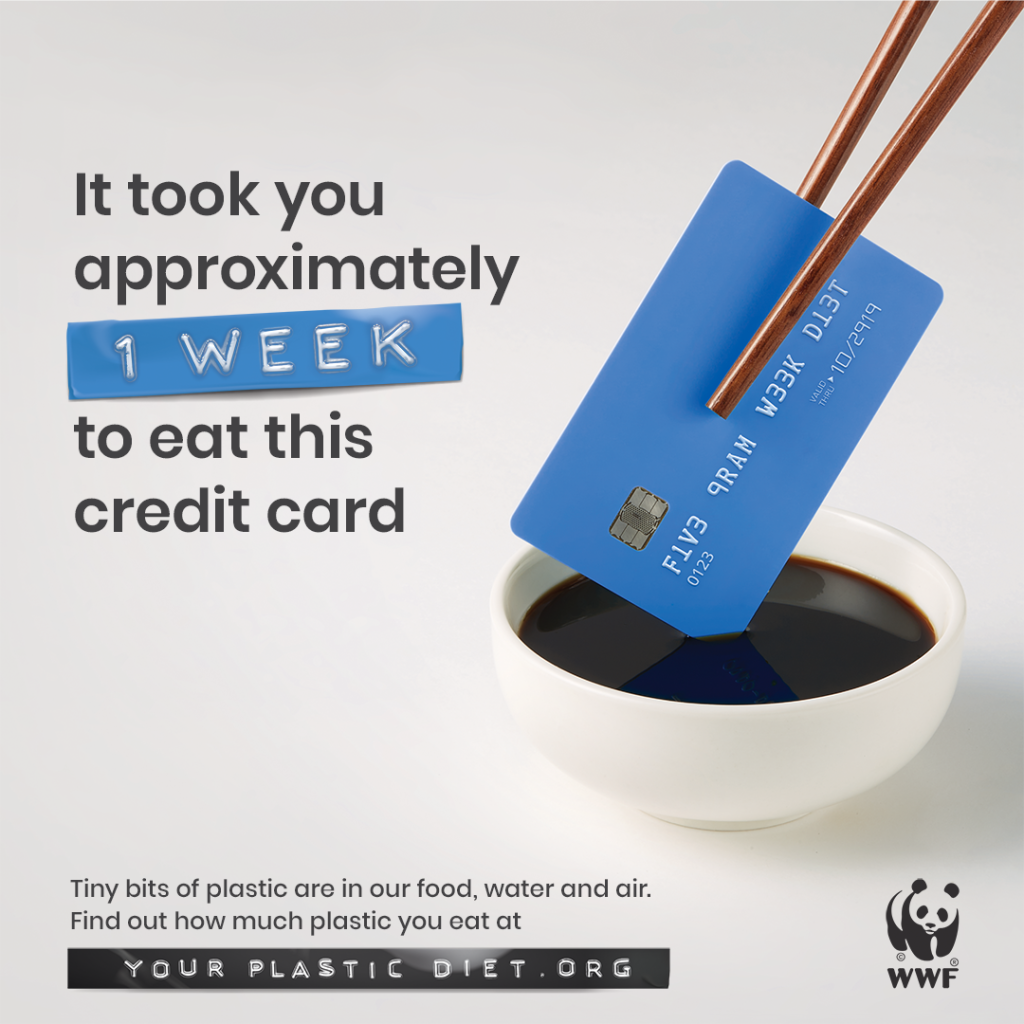
- The average person ingests 5 grams of microplastics weekly — the weight of a credit card.
Fast Fashion’s Dependence on Synthetic Fabrics
The rise of fast fashion has cemented synthetic materials — polyester, nylon, acrylic — as the backbone of the global clothing industry. These fibers are appealing to brands because they are cheap, versatile, and fast to produce, enabling companies like Zara, H&M, and SHEIN to push out billions of garments each year.
Yet these “miracle fabrics” are, at their core, forms of plastic. Every pair of leggings or polyester blouse is woven from long chains of synthetic polymers. Unlike cotton or hemp, they don’t biodegrade. Instead, with every wash and wear, they shed microscopic fibers that escape into wastewater.
This dependence is only growing. Synthetic fibers already account for 60% of fast fashion materials, and global production of polyester alone is expected to reach 75 million tons annually by 2030. With such scale, even minor shedding per garment multiplies into an ecological crisis.
How Washing Clothes Becomes Ocean Pollution
Laundry is a surprisingly abrasive process. Clothes rub against one another, loosening fibers. While natural fibers tend to break down harmlessly, synthetic ones do not. Instead, they escape through wastewater treatment systems and flow into rivers and oceans.
- Up to 700,000 fibers can be released in a single wash (BBC News).
- Over one year, a household can release 240,000–300,000 fibers into waterways.
- A single wash of a polyester fleece jacket releases about 1.7 grams of microplastics (Environmental Science & Technology Journal, 2020).
Now multiply those figures by billions of garments being washed daily worldwide. The result is a constant, invisible stream of plastic pollution.
The Environmental and Human Cost
Once released, microplastics infiltrate marine ecosystems in devastating ways. Small fish and crustaceans mistake them for plankton, filling their stomachs with indigestible fragments. This starvation ripples up the food chain, weakening larger predators like seabirds and whales. Sharp-edged particles can even puncture digestive tracts of marine life.
A study in Frontiers in Marine Science found that 1 in 3 fish caught in the North Atlantic contained microplastics (Frontiers Study).
Humans, too, are exposed. We consume microplastics through seafood, sea salt, and bottled water. Research suggests links to hormone disruption, immune inflammation, and toxicity. According to WWF, the average person may now be ingesting up to 5 grams per week.
What Can Be Done?
The scale of the problem is vast, but solutions exist at every level.
At home, small laundry changes matter. Washing bags like Guppyfriend trap fibers before they escape. Using shorter cycles with less agitation, and washing clothes less frequently, all help reduce shedding.
On the consumer side, the most impactful action is rethinking our relationship with fashion. Natural fibers like cotton, hemp, linen, and wool are biodegradable and shed far less. Choosing higher-quality garments and supporting slow fashion reduces both production and waste. Certifications like GOTS and Fair Trade Certified make it easier to identify sustainable brands.
But systemic solutions are critical. Governments can regulate synthetic production. Washing machine manufacturers can integrate fiber-capture technology. Brands must disclose their fabric choices and invest in sustainable innovation. Organizations like The Ocean Cleanup are already working on large-scale interventions, but without accountability from the fast fashion industry, progress will remain limited.
Microplastics in Daily Life
- Found in bottled water (WHO research).
- Detected in human bloodstreams (Science of the Total Environment, 2022).
- Present in seafood staples like mussels and shrimp.
Every spin cycle of a synthetic garment contributes to the ocean’s growing microplastic crisis. The shirts we wear, the laundry we do, and the brands we buy from ripple outward into marine ecosystems and human health.
Reducing this pollution requires layered action: smarter laundry practices, more conscious clothing choices, and pressure on an industry built on disposability. The invisible threads of our clothes are already woven into the ocean’s story. Whether that story ends in resilience or ruin depends on the choices we make today.
Start small. Wash smarter, choose natural fibers, and demand transparency from fast fashion brands.
FAQ
Deep Dive FAQ: Fast Fashion & Microplastics
Answers with evidence, simple actions you can take, and the latest on policy and tech solutions.
How much microplastic does laundry actually release?⌄
Studies show that a single load of synthetic fabrics can shed up to 700,000 fibers. Over a year, an average household may release 240,000–300,000 fibers into waterways. Polyester fleece garments tend to shed the most.
Why is fast fashion linked so strongly to microplastic pollution?⌄
Over 60% of fast fashion garments are made from synthetics like polyester, nylon, and acrylic. Each wash cycle sheds plastic fibers; scaled across billions of garments, the impact is massive.
Do natural fabrics like cotton or hemp release fibers too?⌄
Yes, but natural fibers are biodegradable and break down in the environment, unlike synthetic plastics that persist for decades or centuries.
What are the health risks of microplastic exposure for humans?⌄
Research links exposure to hormone disruption, immune inflammation, and toxic chemical absorption. On average, people may ingest about 5 grams weekly via seafood, salt, and bottled water.
Can washing machines be designed to stop microplastics?⌄
Yes. France is mandating microfiber filters in new washing machines by 2025. Meanwhile, consumer solutions like Guppyfriend bags and external filters already reduce shedding.
What systemic changes are needed beyond consumer choices?⌄
Brands should invest in sustainable fabrics and transparency; manufacturers must integrate filters; governments can regulate synthetics and fund cleanup; and global initiatives like The Ocean Cleanup need broader support.
What’s the single most impactful action individuals can take?⌄
Buy fewer synthetic fast fashion items and choose durable natural fabrics. Combine with smarter laundry habits (fiber-trapping bags; gentler, less frequent washing).
Does wash temperature or cycle type change fiber shedding?⌄
Yes. Hotter, longer, high-agitation cycles shed more fibers. Short, cold, gentle cycles with full (but not overfilled) loads reduce friction and shed fewer.
Do wastewater treatment plants capture microfibers?⌄
They capture a portion, but many fibers are too small and pass through into rivers and oceans. Upstream capture at the source (filters/bags) is most effective.